How to Move from Reactive to Preventive Maintenance Without Skipping Steps
Here's a pattern that plays out at facilities departments across the country: a team gets budget approval for a CMMS, spends two weeks configuring it, loads 200 preventive maintenance schedules, and announces the new era of reactive to preventive maintenance has begun. Six months later, PM completion rates are below 30%, technicians are still chasing emergencies, and the CMMS has become an expensive work order inbox.
The tool didn't fail. The team skipped steps.
Moving from reactive to preventive maintenance is the single most impactful shift a facilities operation can make. It reduces emergency repair costs, extends asset life, and gives leadership the data they need to approve capital budgets. But it's not a switch you flip. It's a sequence you build—and most teams try to jump from Stage 1 to Stage 3 without doing the foundational work that makes a preventive maintenance plan stick.
This guide walks through the actual steps, in order, based on how successful facilities teams—from K–12 school districts to university campuses—have made the transition without burning out their staff or abandoning the process.
Why Most Reactive-to-Preventive Transitions Fail
Before getting into the steps that work, it's worth understanding why most attempts don't. The failure rate for maintenance transformations isn't a secret—industry estimates put CMMS underperformance rates between 60–80%. And the root causes are remarkably consistent.
Teams skip directly from chaos to complexity. A reactive maintenance operation—where everything is a fire drill and nothing is tracked consistently—doesn't have the data, processes, or staff habits to support a full preventive maintenance plan. Trying to run 200 PM schedules in an organization that can't reliably close a work order with complete notes is building on sand.
There's no baseline data on what's actually breaking. If you can't answer "which 10 assets caused the most emergency work orders last year?" then you don't have enough information to build a preventive maintenance program. You're guessing at what to prevent—and guessing leads to busywork.
Everything gets scheduled at once. Excitement is the enemy of sustainability. A facilities director who builds PM schedules for every HVAC unit, every roof section, every boiler, and every fire panel in the first month has just created a workload that their team cannot absorb alongside existing reactive demand. Completion rates collapse. Trust in the system collapses with them.
Staff buy-in was never earned. The technicians and custodians who will execute PM tasks every day were not involved in the planning. They weren't asked what's actually failing. They weren't shown how PM work would reduce the emergencies that make their days miserable. They were told to use a new system. That's not buy-in. That's a mandate—and mandates without context breed resistance.
The 5 Stages of Maintenance Maturity (And Why the Order Matters)
Every maintenance operation exists on a maturity spectrum. Understanding where you are—honestly—is the first step toward moving forward. Here's the progression:
Stage 1: Reactive. Everything is a fire drill. Work enters through texts, emails, phone calls, and hallway conversations. Nothing is tracked consistently. The team is busy, but leadership can't see what they're doing or why.
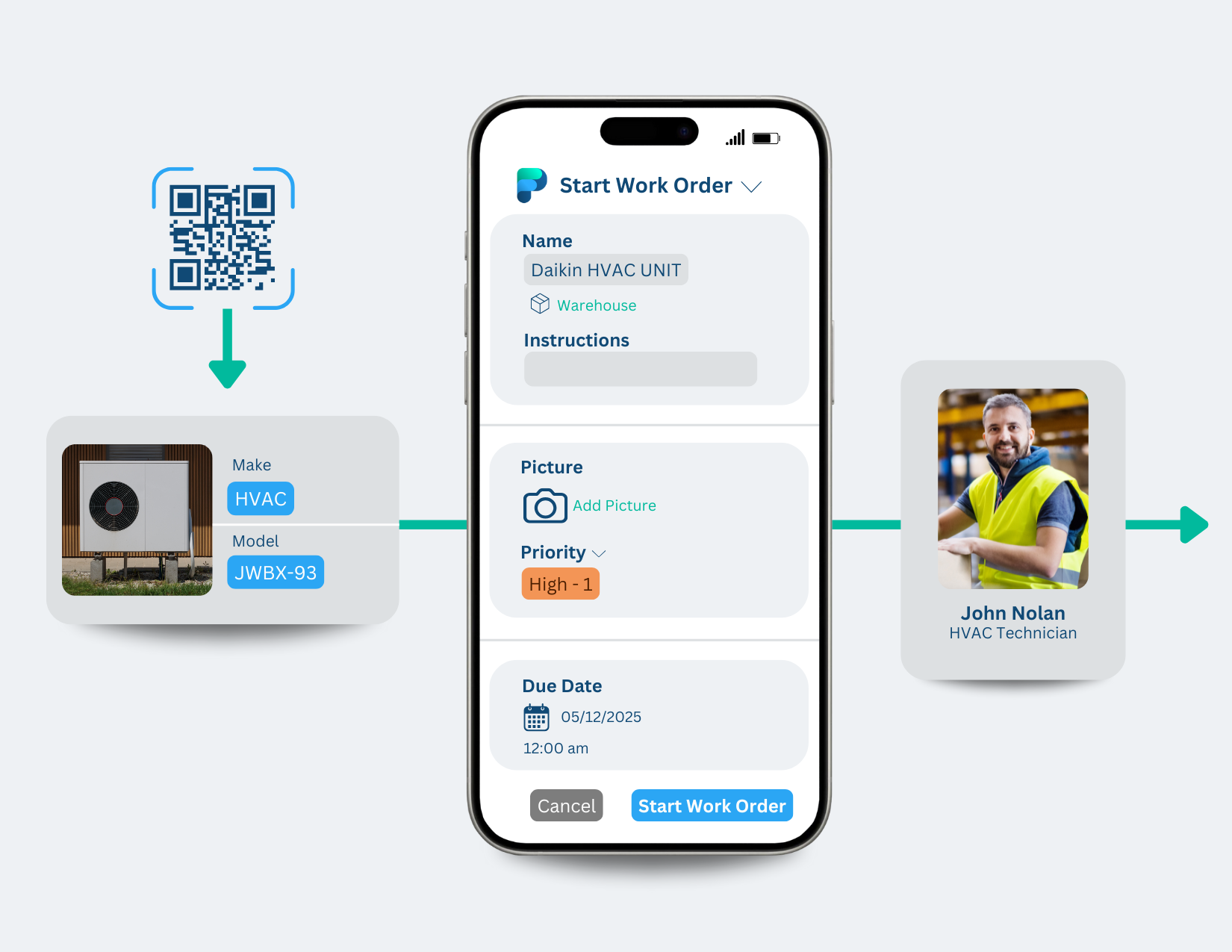
Stage 2: Organized Reactive. You have a work order system and people are using it. Requests are captured and assigned. Closure notes exist. But you're still chasing emergencies—you've just gotten better at documenting them.
Stage 3: Structured Preventive. PM schedules are running on your most critical assets. Completion rates are tracked. You're starting to see data that shows which preventive tasks are actually reducing failures. Reactive work is declining as a percentage of total work.
Stage 4: Data-Driven. Decisions come from maintenance data, not gut feelings. You know your cost per asset, your reactive-to-planned work ratio, and your PM effectiveness rate. Capital requests go to finance backed by evidence, not anecdotes.
Stage 5: Optimized. PM frequencies are adjusted based on actual failure data. Condition monitoring supplements scheduled maintenance. Maintenance is treated as a strategic function, not overhead. Budget conversations are collaborative, not adversarial.
The critical insight: you cannot jump from Stage 1 to Stage 3. Each stage builds the data, the habits, and the organizational trust that the next stage requires. A team at Stage 1 that tries to implement Stage 3 practices will revert to reactive mode within months—not because the practices are wrong, but because the foundation isn't there yet.
Step-by-Step: Moving from Reactive to Preventive Maintenance
This is the sequence that works. Each step is designed to build on the previous one. Resist the urge to skip ahead.
Step 1 — Audit What's Actually Breaking
Before you schedule a single PM task, you need data on your current reactive workload. Which assets generate the most emergency work orders? Which buildings consume the most unplanned labor hours? What's costing you the most in emergency repairs and after-hours call-outs?
If you're running a CMMS, pull the last 6–12 months of work order data and sort by asset. If you're not, spend 30 days having your team log every reactive request—what broke, where, and how long the fix took. This doesn't require software. A shared spreadsheet works for 30 days.
The goal is simple: identify your top 10–20 failure-prone assets by frequency and cost. These are where your preventive maintenance program starts—not in a manufacturer's recommended maintenance schedule, but in your actual operational data.
Step 2 — Get Your Asset Inventory Right
You can't maintain what you haven't documented. A clean asset register is the data layer that everything else depends on. Without it, PM schedules are assigned to vague locations, cost tracking is unreliable, and capital planning is guesswork.

A functional asset register includes: asset name (standardized—not "boiler #2" in one building and "old unit by gym" in another), location, installation or approximate age, manufacturer, model number when available, and a criticality rating. Criticality doesn't need to be complicated—a simple high/medium/low ranking based on operational impact is enough to start.
For K–12 districts, this means documenting every HVAC unit, every roof section, every boiler, and every fire alarm panel across every building. For a university, it means starting with the central plant and expanding building by building. The key is to start with the assets you identified in Step 1—your highest-failure, highest-cost equipment—and expand from there.
Step 3 — Start Small with Your Top 10 Critical Assets
This is where most teams go wrong. They build PM schedules for everything at once. Don't.
Take the 10 assets that cause the most pain—the ones your team groans about—and create preventive maintenance schedules for those. Set realistic frequencies based on your failure data, not just manufacturer recommendations. A rooftop HVAC unit that fails twice a year gets quarterly inspections, not the semi-annual schedule in the manual.
Run these 10 PM schedules for 90 days. Track completion rates. Track whether the scheduled work is actually getting done, and whether the assets on your PM list are generating fewer emergency work orders than they were before.
Ninety days gives you two things: proof that preventive maintenance works for your specific operation, and data you can show leadership and your own team. Both matter.
Step 4 — Build the Habit Before Building the Program
A PM schedule that exists in your CMMS but doesn't get completed is worse than no schedule at all—it creates a false sense of security and erodes trust in the system.
Step 4 is about the human side of the transition. Your technicians need to understand why PM work matters—not in abstract terms, but in their terms. "If we inspect these RTUs every quarter, we catch refrigerant leaks before they become compressor failures. That means fewer weekend call-outs for you." That's a message that lands.
Build accountability into the process. PM tasks should have due dates, assigned owners, and required completion notes. If a PM task is skipped, there should be a documented reason. Not as punishment—as information. Skipped PMs often reveal capacity problems or scheduling conflicts that need to be addressed at the management level, not the technician level.
This step also includes protecting PM time. If your team's PM schedule gets overridden every time a reactive request comes in, you don't have a PM program—you have a wish list. Reserve 20–30% of your team's weekly capacity for planned work and treat it as non-negotiable.
Step 5 — Scale Based on Data, Not Ambition
After 90 days of running your initial PM schedules, review the results. Which PM tasks are correlated with fewer failures? Which are generating completion notes that suggest the work isn't preventing anything? Are your top 10 assets generating fewer emergency work orders than the 90 days before the PM program started?
Use this data to make three decisions. First: which PM schedules should continue as-is. Second: which need their frequency or scope adjusted. Third: which 10 assets should be added to the program next.
Scaling based on evidence earns your team's trust. Scaling based on ambition exhausts it. Every expansion should be justified by the data from the previous phase. This is how you build a preventive maintenance program that survives staff turnover, budget cycles, and leadership changes—because the evidence for its value is baked into the system.
What This Looks Like in Practice
The steps above aren't theoretical. Here's how the reactive to preventive maintenance transition plays out across different types of organizations:
K–12 school district (12 buildings): The facilities director started by tracking boiler failures through one winter season. The data showed three buildings accounted for 60% of heating emergencies. That summer, the team built PM schedules for those three boiler rooms only. By the following winter, emergency heating calls dropped significantly across those buildings. The director used the before-and-after data to justify expanding PM to all district boilers and HVAC units in the next budget cycle.
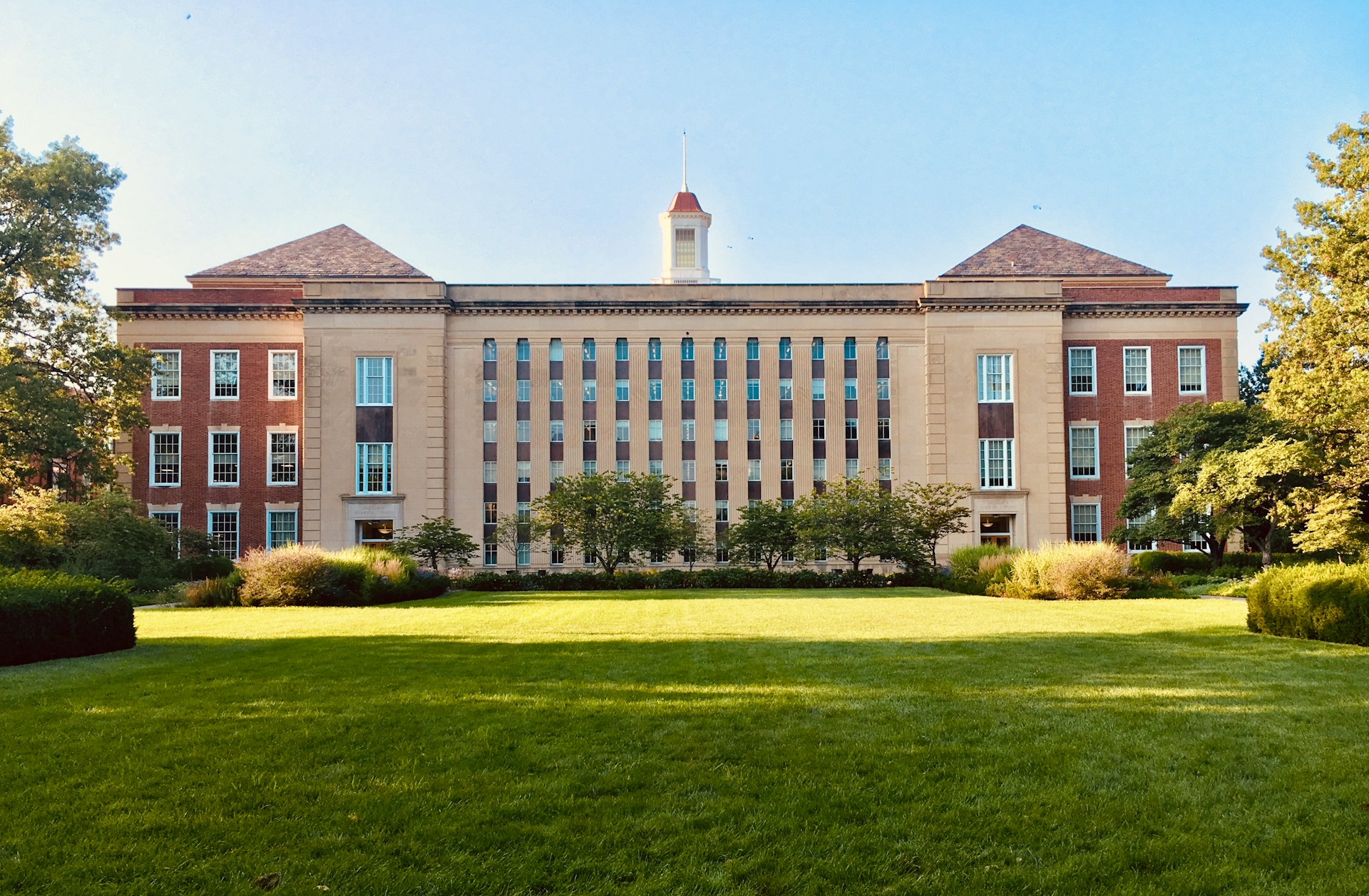
University campus (40+ buildings): The facilities team piloted PM on the central plant—chillers, cooling towers, and the primary electrical distribution. This was the single point of failure that affected the entire campus. After one semester of tracked PM, the team expanded to residence halls, then academic buildings, prioritizing by building criticality and occupancy.
Multi-location YMCA (6 branches): The director of facilities started with pool equipment at every location—pumps, chemical feeders, heaters—because that's where the biggest compliance risk and member impact lived. Health department inspections were the forcing function. PM completion on pool systems became the proof-of-concept that justified a CMMS investment for full-facility maintenance.
Common Mistakes to Avoid When Building a Preventive Maintenance Program
Even teams that follow the right sequence can stumble. Watch for these pitfalls:
Buying software before documenting your processes. A CMMS amplifies your existing processes—if those processes are undefined, the software will amplify confusion. Know how a work request should flow from submission to completion before you configure a system to automate it.
Scheduling PM for non-critical assets before critical ones. Changing air filters in a storage closet is not a higher priority than inspecting the roof-mounted HVAC unit that serves the server room. Start with the assets whose failure creates the most operational impact.
Not tracking whether PM tasks are actually preventing failures. PM completion rate is a vanity metric if you don't also track whether those PM tasks are reducing breakdowns. A 95% completion rate means nothing if the assets on your PM schedule are still failing at the same rate.
Ignoring the custodial and technician team in the planning process. Your technicians know which equipment is about to fail. Your custodians know which building systems cause the most complaints. If your PM program was built in a conference room without their input, it's missing critical ground-level intelligence.
Treating PM as a one-time project instead of an ongoing discipline. A preventive maintenance program is not a project with a start and end date. It's an operating discipline that requires regular review, adjustment, and expansion. The teams that succeed are the ones that build PM into their weekly rhythm, not their annual plan.
Frequently Asked Questions
What is the difference between reactive and preventive maintenance?
Reactive maintenance fixes equipment after it breaks. Preventive maintenance services equipment on a scheduled basis to prevent breakdowns before they happen. Most facilities teams operate reactively by default, which leads to higher repair costs, more emergency labor, and shorter asset life. A structured PM program can reduce emergency repairs by 30–50% depending on the facility type and the maturity of the program.
How long does it take to transition from reactive to preventive maintenance?
A realistic timeline is 6–12 months for most facilities teams. The first 90 days should focus on auditing current failures, cleaning up asset data, and piloting PM on your 10 most critical assets. Full program maturity—where PM drives a measurable reduction in reactive work and informs capital planning—typically takes 12–18 months of sustained effort.
What is the first step in starting a preventive maintenance program?
The first step is auditing your current reactive workload to understand which assets fail most often and cost the most to repair. This failure data tells you where to focus your initial PM schedules for maximum impact. Starting with data—not manufacturer recommendations or gut instinct—is what separates PM programs that stick from those that stall.
Do I need a CMMS to do preventive maintenance?
You can run a basic PM program with spreadsheets or paper schedules, but it becomes unsustainable past 20–30 assets. A CMMS automates scheduling, tracks completion rates, and captures the maintenance history you need to prove the program is working. That proof matters when you're justifying budget to your superintendent or CFO—a spreadsheet can't generate the reports that earn capital investment.
Why do preventive maintenance programs fail?
The most common reason is trying to do too much too fast. Teams that schedule hundreds of PM tasks before establishing basic work order processes and staff buy-in almost always revert to reactive mode within six months. The second most common reason is lack of protected PM time—if every reactive request can bump a scheduled PM task, the PM program exists on paper but not in practice. Start small, prove the value, and scale based on results.

Build the Foundation, Then Build the Program
The path from reactive to preventive maintenance is a sequence, not a leap. The teams that succeed are the ones that respect the order: audit first, document your assets, start with 10, build the habit, then scale with data. Every shortcut creates a gap that will show up later as poor adoption, incomplete data, or a PM program that exists in the system but not in practice.
If you're not sure where your operation falls on the maturity spectrum, that's the right place to start. Knowing your current stage tells you exactly what to work on next—and just as importantly, what not to work on yet.
Not sure which stage you're at? Take the 5-minute Maintenance OS Self-Assessment to find out where your team stands and get a tailored action plan for moving forward. Or, if you're ready to see how a CMMS built for this exact transition works, request a demo of FlowPath and we'll walk through it together.